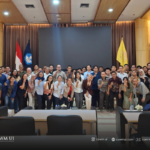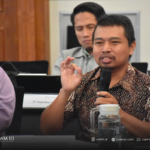
TANGERANG, INDONESIA — The Center for Sustainability and Waste Management Universitas Indonesia (CSWM UI), in collaboration with Bappeda Kabupaten Tangerang, has successfully concluded a strategic initiative to establish a robust Circular Economy within the Kelapa Dua District. This program represents a sophisticated model for waste management in rural and suburban areas, prioritizing community-led solutions and the synergy of all local stakeholders to create a harmonious environment. By shifting the perspective of waste from a burden to a valuable secondary resource, the initiative seeks to build a resilient local ecosystem that balances economic growth with environmental stewardship.
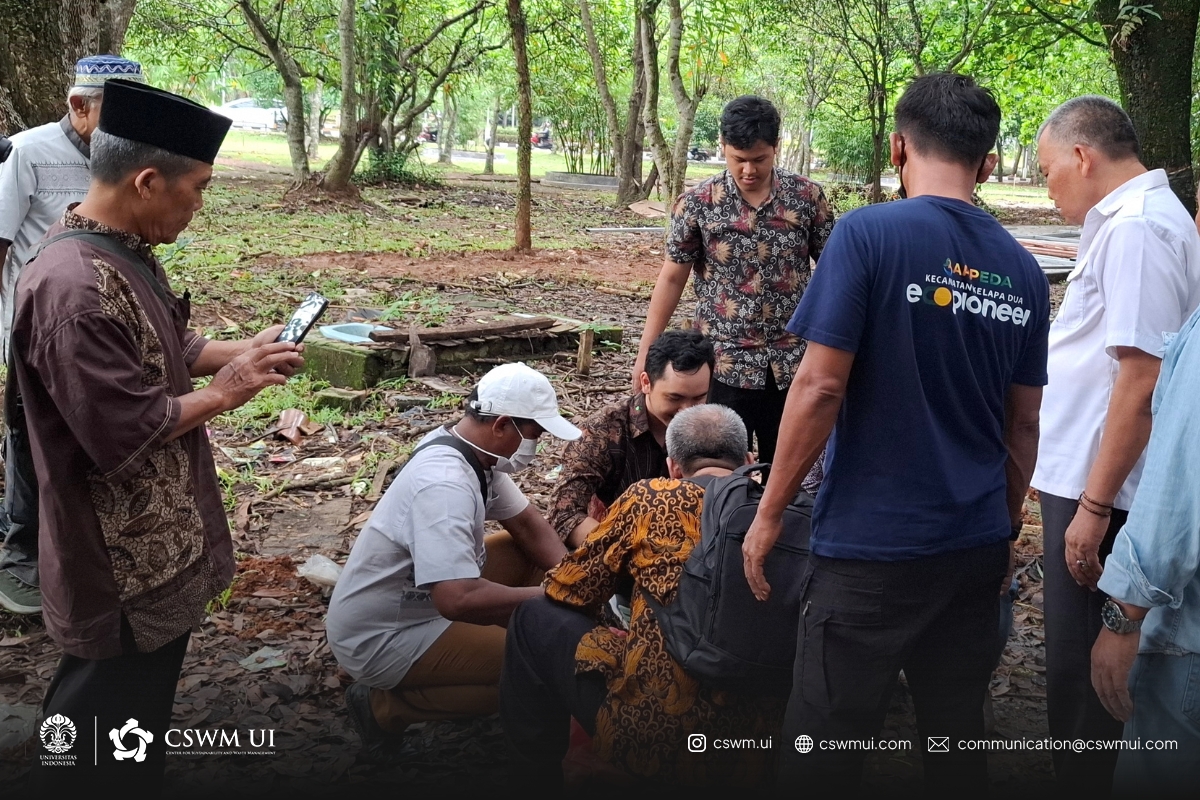
The cornerstone of this transformation is the Eco Pioneer movement, which identifies and empowers “Local Heroes” from within the community to serve as internal activators. These dedicated individuals, primarily local leaders and community activists, act as the vital bridge between technical expertise and daily household practices. Through specialized training in technical pendampingan and systematic daily mapping, these pioneers facilitate direct mentorship for households on the essential principles of reducing, reusing, and recycling. Their work ensures that the transition to sustainable habits is grounded in local leadership and a deep understanding of the community’s unique needs.
To address the primary component of domestic waste, the program introduced highly effective and accessible biological processing technologies tailored for local implementation. Residents are trained in Eco-Enzyme production, which transforms kitchen scraps into natural cleaning agents and fertilizers through a simple fermentation process. Complementing this is the Takakura composting method, an aerobic system designed specifically for high-density neighborhoods to manage organic waste efficiently without generating odors. Additionally, the installation of Biopori absorption holes integrates waste management with environmental restoration by improving soil quality and water absorption directly at the source.
This initiative in Kelapa Dua serves as a vital component of a long-term roadmap toward a sustainable and advanced Indonesia by 2045. The strategy evaluates and strengthens seven key pillars of sustainability: Leadership, Awareness, Facilities, Institutional Strength, Financial Planning, Regulation, and Technology. By progressing through phases of initiation, stabilization, and optimization, the district is building a self-sustaining model that reduces environmental leakage and promotes resource efficiency. This structured approach is further supported by regional funding plans intended to strengthen village-level infrastructure and the development of centralized treatment facilities to serve as the backbone of the local circular economy