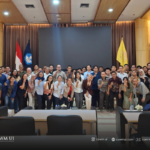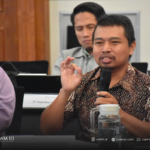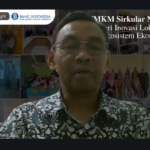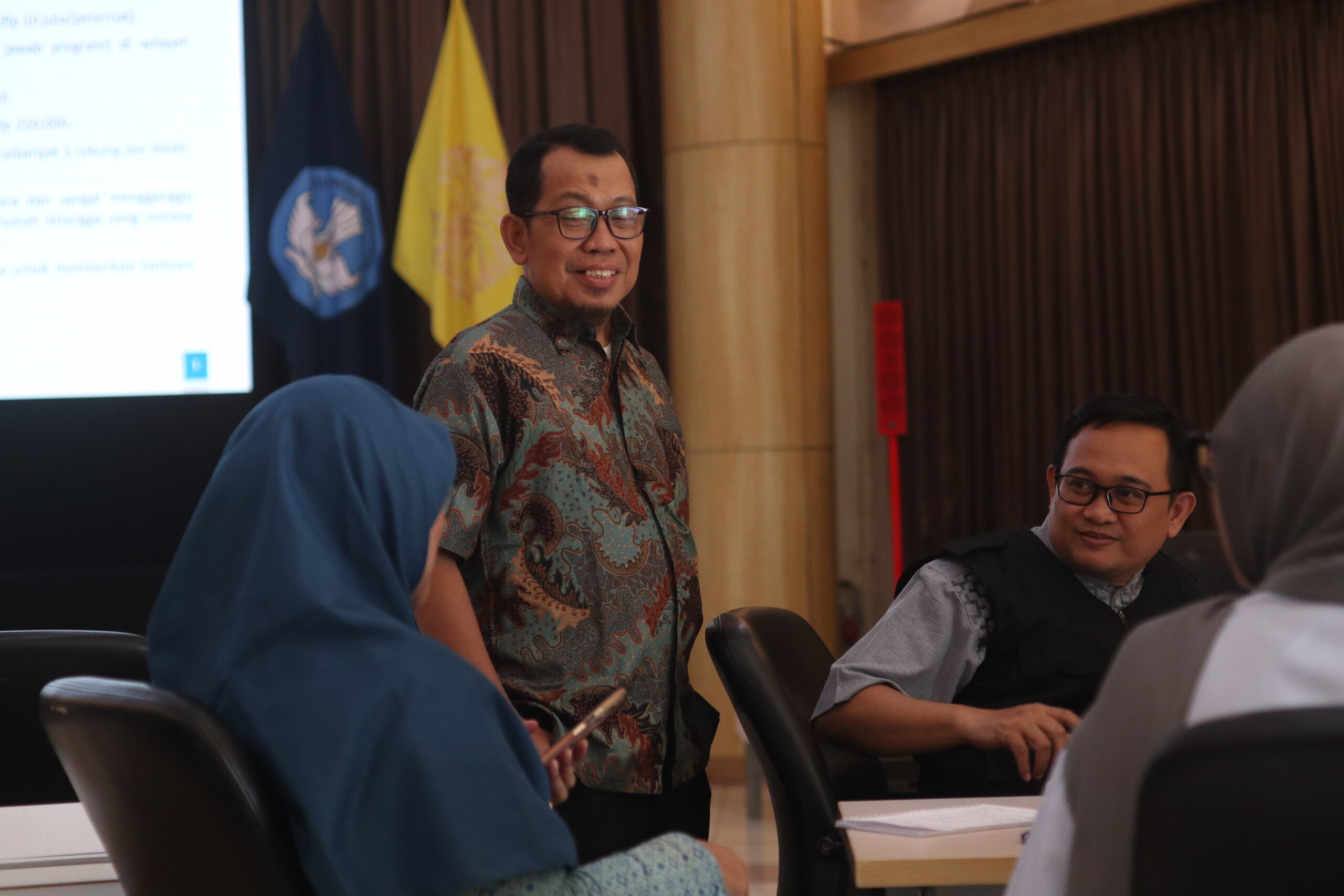
Depok, 16 April 2026 — The Center for Sustainability and Waste Management, Universitas Indonesia (CSWM UI), held the training program “SROI Beyond Metrics: Sustaining Impact, Empowering Communities” at Universitas Indonesia, Depok. The program aimed to strengthen industry capacity in measuring and communicating the social, environmental, and economic value generated through CSR and sustainability initiatives.
The event opened with a session from the Green Industry Center of the Ministry of Industry, which discussed the role of CSR in supporting Green Industry implementation and the Green Industry Award framework. The session highlighted that Green Industry is not only related to resource efficiency and environmental compliance, but also to community empowerment, workforce development, circular economy implementation, low-carbon practices, waste management, and long-term social benefits.
The presentation also introduced the Green Industry Standard (Standar Industri Hijau/SIH), which consists of technical and management requirements. The technical aspects include raw materials, auxiliary materials, energy, water, production processes, products, packaging, waste management, and greenhouse gas emissions, while the management aspects include policy and organization, strategic planning, implementation and monitoring, internal audit and management review, CSR, and employment. In this context, CSR fulfillment requires both primary and secondary data verification, including direct validation with beneficiaries and review of supporting documents from the past 12 months.
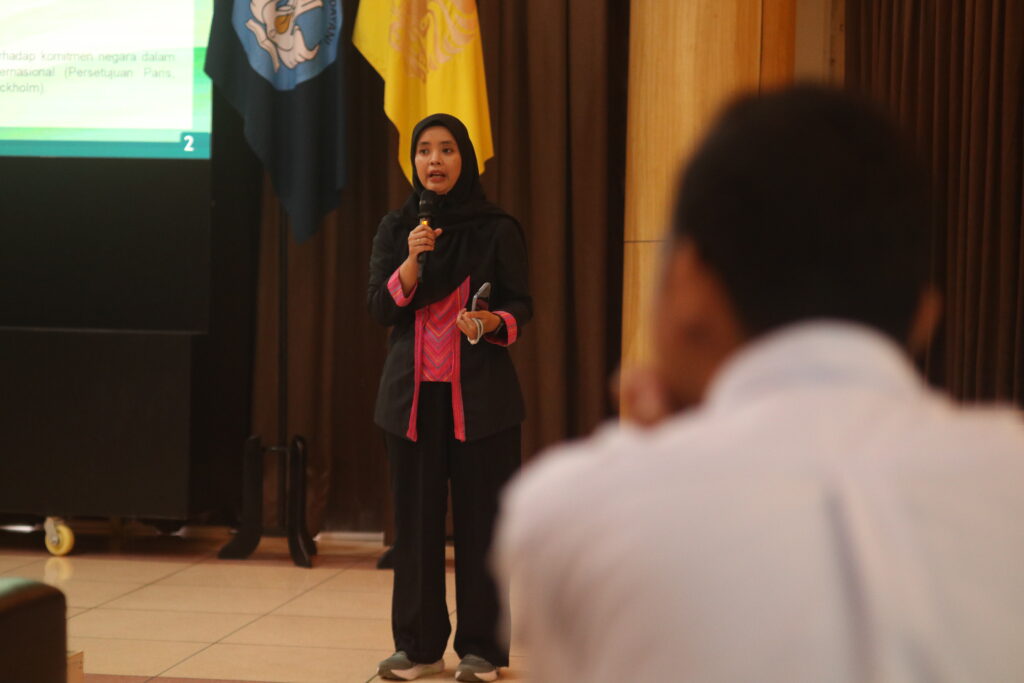
Following the opening session, Mr. Johar Maturidi delivered the main training materials on Social Return on Investment (SROI), covering the introduction to SROI, its principles, stakeholder identification, implementation steps, financial proxies, influencing factors, and case studies. The session emphasized that SROI is not merely a reporting tool, but a decision-making framework that helps companies evaluate which outcomes matter most to stakeholders and translate social and environmental changes into measurable value.
Through this training, CSWM UI encouraged industries to move beyond conventional CSR implementation toward more structured, accountable, and impact-driven sustainability programs. The program is expected to support companies, regulators, consultants, academics, and sustainability practitioners in improving CSR evaluation, strengthening Green Industry readiness, and promoting more inclusive and sustainable industrial transformation in Indonesia.