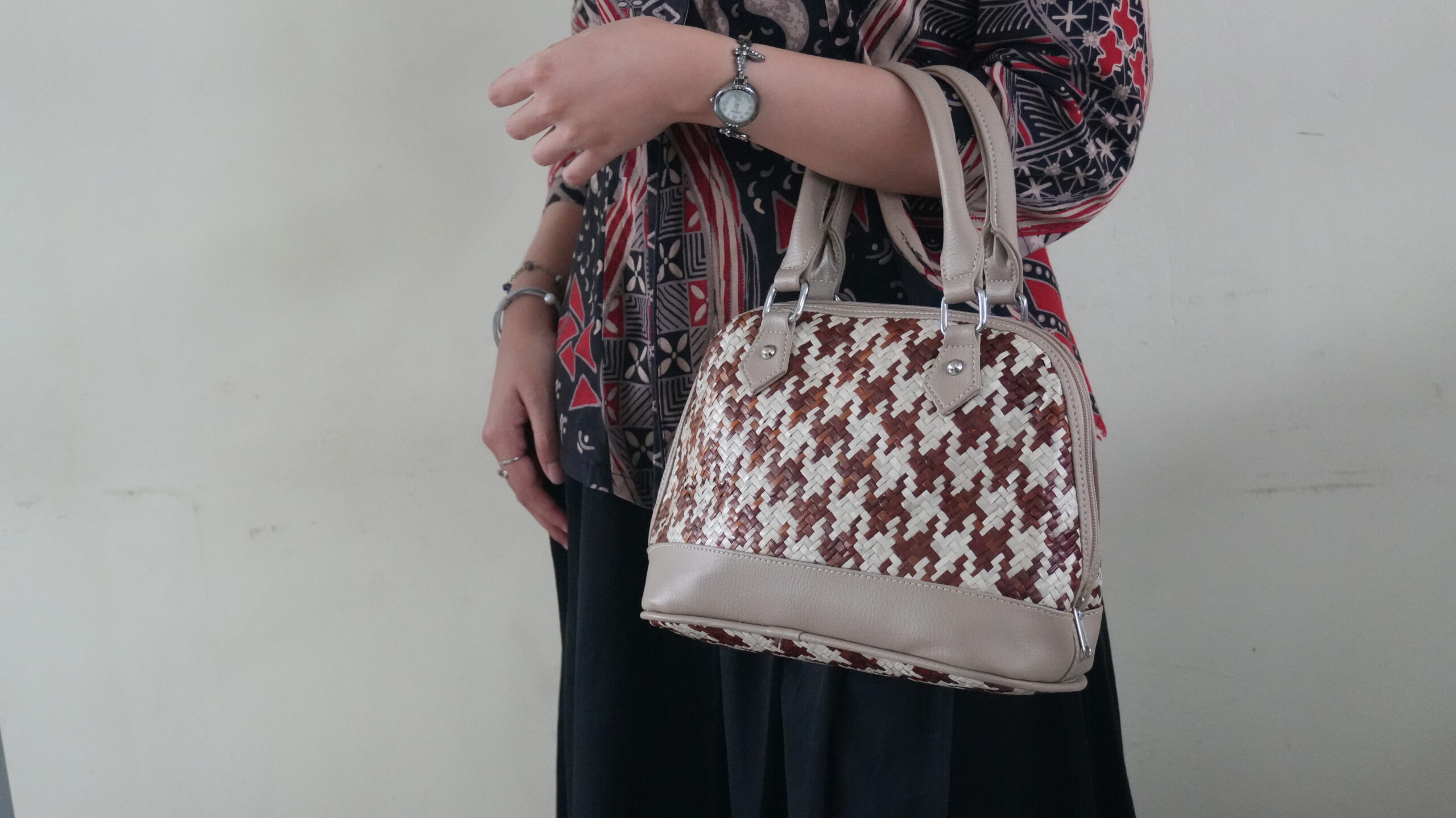
Prabumulih, July 7, 2026 — The potential of pineapple leaf waste as a new economic resource presents an important opportunity to promote circular economy practices at the local level. As pineapple production in Indonesia continues to grow, pineapple leaf waste, which has not yet been optimally utilized, can be processed into economically valuable fiber, including for the development of creative products, textiles, and crafts made from natural materials.
However, the development of MSMEs processing pineapple leaf fiber still faces a number of challenges, ranging from relatively small production scale, limited human resource capacity, suboptimal access to financing, and inconsistently organized raw material supply chains, to the need to strengthen product image in order to achieve higher market value.
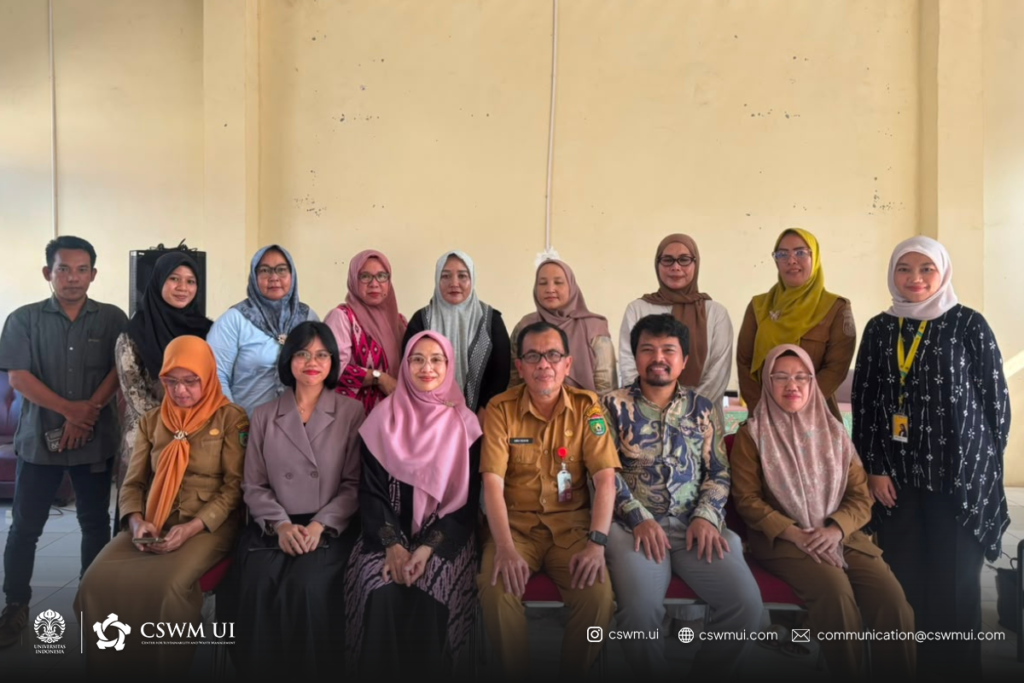
Responding to these conditions, the Center for Sustainability and Waste Management Universitas Indonesia (CSWM UI), in collaboration with Bank Indonesia, is carrying out an assistance program to support the development of circular MSMEs based on pineapple leaf fiber in Prabumulih. This program aims to help local MSMEs better understand the business potential of pineapple leaf waste, strengthen their institutional and operational capacity, and develop a more sustainable business model that can be replicated in other regions.
The series of activities began with field visits to map the potential, needs, and challenges faced by local MSME actors. Through this process, CSWM UI and Bank Indonesia, together with relevant stakeholders, sought to identify existing conditions, production capacity, product development opportunities, and the types of support needed to help pineapple leaf fiber MSMEs grow in a more structured and targeted manner.
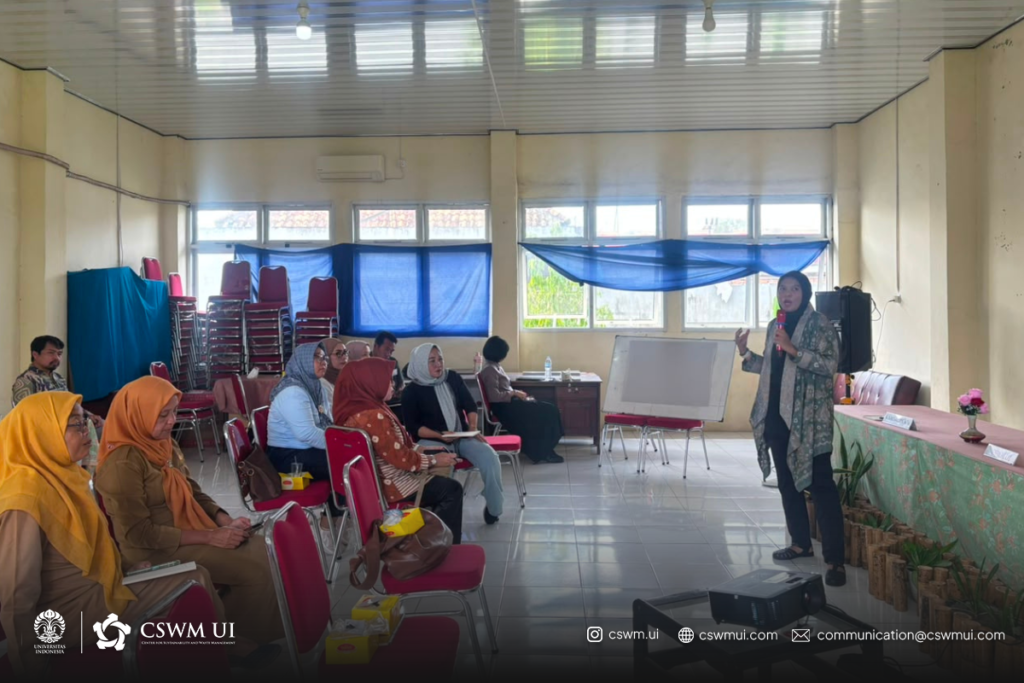
In addition to potential mapping, the assistance program was also carried out through various capacity building activities with local MSMEs. These activities included strengthening capacity in marketing, business governance, and operations, enabling MSME actors not only to improve product quality, but also to strengthen business management, record-keeping, market strategies, and readiness to collaborate with external partners.
As a further stage, the program also includes a piloting phase for the development of a more sustainable business model. One of the main focuses of this phase is to open collaboration opportunities through business matchmaking with local banking institutions, allowing pineapple leaf fiber-based MSMEs in Prabumulih to gain broader access to networks, assistance, and financing opportunities.
Through this initiative, local MSMEs are expected to move to the next level with a business model that not only focuses on increasing economic value, but also supports waste reduction, the utilization of local resources, and the strengthening of community-based economic development. This assistance program is also part of an effort to improve the competitiveness of pineapple leaf fiber-based products in terms of quality, sustainability, and market positioning.
The results of this series of assistance activities will later be compiled into a business model book for circular MSMEs based on pineapple leaf fiber. The book is expected to serve as a reference for stakeholders in developing, strengthening, and replicating green business models based on local potential in various regions.
Through this collaboration, CSWM UI and Bank Indonesia hope that the development of circular MSMEs based on pineapple leaf fiber in Prabumulih can become a concrete example of how agricultural waste can be transformed into new economic opportunities. The program is also expected to strengthen collaboration among academia, MSME actors, local government, communities, and financial institutions in building a green business ecosystem that is inclusive, productive, and sustainable.